
How Cloud MEP Coordination Reshaping Project Delivery
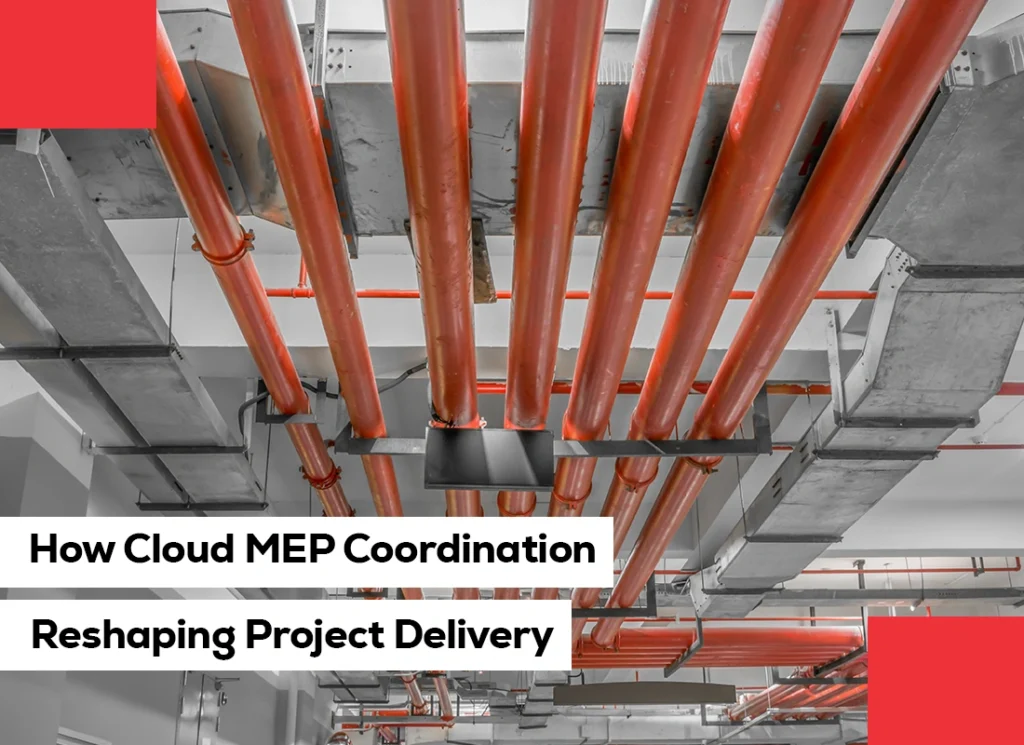
Construction projects are becoming more complex, distributed, and time-sensitive. Multiple teams may work across different locations, while mechanical, electrical, and plumbing systems must fit within increasingly crowded building spaces. In this environment, traditional coordination methods can create delays, communication gaps, and costly rework. Geninfo Solutions helps businesses understand how digital workflows can improve project coordination and support more predictable delivery. Cloud-based workflows are changing the way teams manage design information. Instead of relying only on disconnected files and occasional coordination meetings, project stakeholders can work with shared, updated information in a collaborative digital environment. This shift is making MEP coordination services more connected, responsive, and practical for modern construction projects. What Is Cloud MEP Coordination? Cloud MEP coordination involves using cloud-based platforms to share, review, manage, and coordinate mechanical, electrical, and plumbing systems throughout a project lifecycle. Traditionally, different teams often worked on separate files. These files were then exchanged through emails, shared drives, or manual uploads. While this approach can work for smaller projects, it becomes difficult to manage when multiple disciplines are making changes at the same time. Cloud coordination creates a more connected workflow. Architects, engineers, contractors, and coordinators can access the latest project information, review design changes, identify conflicts, and communicate about issues from a shared digital environment. This does not eliminate the need for skilled professionals. Instead, it gives them better visibility and a more reliable way to coordinate complex systems. Why Traditional MEP Coordination Services Create Challenges MEP systems often compete for limited space within ceilings, walls, shafts, plant rooms, and service areas. A duct may conflict with a structural beam, while electrical services may require access zones that affect plumbing routes. When these issues are discovered only during construction, the consequences can include: Rework Delayed installation Additional material costs Increased RFIs Design revisions Coordination disputes Traditional workflows can also create problems when teams use outdated drawings. If one discipline continues working from an older version of a design, the coordination process becomes less reliable. This is where cloud-based MEP coordination services provide a major advantage by improving access to current project information. How Cloud Technology Is Changing MEP Coordination 1. Creating A Shared Project Environment Cloud platforms allow project teams to work from a common digital environment. Models, drawings, coordination information, and issue updates can be accessed according to project permissions. This helps reduce the confusion caused by multiple versions of the same file. Instead of asking which drawing is the latest, teams can follow a structured information workflow where updates are easier to track and share. 2. Improving Real-Time Collaboration Construction projects often involve teams working from different offices, cities, or countries. Cloud-based collaboration allows them to review project information without being physically present in the same location. A coordination issue can be identified by one team, assigned to the responsible stakeholder, reviewed by another, and updated without relying entirely on long email chains. This makes BIM coordination services more effective for distributed project teams. The value comes not only from 3D modeling but also from creating a more connected decision-making process. 3. Detecting Conflicts Earlier A coordinated digital model can bring architectural, structural, mechanical, electrical, and plumbing information together for review. This makes it easier to identify conflicts before installation begins. These may include: Physical clashes between systems Insufficient maintenance clearances Conflicting service routes Access problems around equipment Inadequate space for installation The earlier a problem is identified, the easier it is generally to resolve. Cloud collaboration supports this process by making updated coordination information available to relevant team members. 4. Supporting Faster Issue Resolution Coordination is not simply about identifying problems. The real value comes from resolving them efficiently. Cloud platforms can help teams: Identify a coordination issue. Assign it to the relevant team. Add comments or visual references. Track its status. Review the updated design. Close the issue after verification. This creates a clearer record of project decisions. Instead of losing important information in long email conversations, teams can maintain a more structured history of coordination issues and their resolutions. 5. Connecting Coordination With Construction Planning Cloud MEP coordination is increasingly being connected with broader project delivery workflows. Once coordinated information is available, it can support the following: Installation planning Fabrication workflows Quantity extraction Construction sequencing Site communication Quality checks This makes BIM coordination services useful beyond the design stage. A coordinated model can become a reference point for different project stakeholders, provided the information is developed to the required level of detail. The objective is not to create an unnecessarily complex model. The objective is to create useful information that supports actual project decisions. 6. Improving Project Visibility Through Cloud Data One of the biggest benefits of cloud-based coordination is improved visibility. Project managers can gain a clearer understanding of: Open coordination issues Pending approvals Design changes Model updates Coordination progress Upcoming deliverables This supports better BIM project management because decisions can be based on more current project information. Instead of waiting for a formal meeting to discover that a coordination problem is affecting progress, teams can monitor issues throughout the project. 7. Supporting Better Construction Decisions Cloud-based coordination can also improve decision-making before work reaches the site. For example, teams can review whether a service route is practical before installation begins. They can assess equipment access, identify conflicts between trades, and evaluate design changes in a shared environment. This is particularly valuable for hospitals, commercial buildings, industrial facilities, data centers, and other projects with dense MEP systems. When project information is easier to access and understand, teams can spend less time searching for information and more time solving actual construction problems. The Role Of Coordination Drawings In Modern Project Delivery Although 3D models are becoming increasingly important, coordination drawings remain valuable for construction teams. Site teams often need clear, practical documentation that shows how systems should be installed. These drawings may include coordinated layouts, sections, details, equipment locations, and service routes. Cloud-based workflows improve the relationship between the model and the drawing. When changes are made
How As-Built Drawings Useful in Renovating Commercial Spaces?
Renovating a commercial space often involves more than updating interiors or changing the layout. Existing buildings may contain undocumented modifications, outdated systems, and differences between original plans and actual site conditions. At Geninfo Solutions, accurate digital documentation helps AEC professionals understand existing spaces before renovation work begins. As-built drawings provide a reliable record of the building as it exists. They help architects, engineers, contractors, and owners understand current layouts, dimensions, and visible building systems before developing new renovation plans. When supported by accurate site verification, CAD services, and BIM services, they can make commercial renovation projects more coordinated and less dependent on assumptions. What Are As-Built Drawings? These drawings represent the existing condition of a building or space. They may include floor plans, elevations, sections, reflected ceiling plans, and visible structural or MEP information, depending on the project scope. They are different from original construction drawings, which usually represent the intended design. Commercial properties often undergo several changes after construction, including tenant improvements, layout changes, system upgrades, and renovations. As a result, older drawings may no longer accurately represent the building. For this reason, updated existing-condition documentation provides a more practical foundation for renovation planning. However, the level of accuracy and detail required should always match the project’s needs, and critical conditions may still require field verification. How As-Built Drawings Help Commercial Renovation Project 1. They Provide a Reliable Starting Point Before changing an existing commercial space, project teams need to understand what is already there. A retail store, office, restaurant, healthcare facility, or industrial property may have been modified several times over the years. Walls may have been relocated, services rerouted, and spaces reconfigured. Accurate documentation helps create a shared understanding of the existing building. Instead of relying only on old blueprints or estimates, designers can work from current information about the space. This reduces uncertainty during the early stages of renovation planning. 2. They Help Identify Existing Structural and MEP Conditions Renovation designs must work around existing building elements. These may include: Structural walls, beams, and columns. HVAC systems Plumbing lines Electrical services Ceiling-mounted equipment Existing openings and access points Accurate drawings help project teams understand these conditions before proposing changes. This can be especially useful when a new layout needs to work around existing services or when demolition and construction activities are being planned. For complex projects, additional surveys or scanning may be required to document conditions that cannot be confirmed through existing records alone. 3. They Reduce Design Errors And Rework Many renovation problems begin when design teams work with incomplete or outdated information. A new partition could conflict with an existing duct. A proposed ceiling may not provide enough clearance for services. A planned opening may not match the actual structural layout. These problems can lead to redesigns, change orders, material waste, and delays. Using CAD services, teams can convert existing information into clear, editable digital drawings. These can then be used as a base for overlaying proposed renovation designs and identifying potential conflicts earlier in the process. 4. They Support Better Space Planning Commercial renovation is often focused on improving how a space is used. Businesses may want to: Add workstations Improve customer movement Create meeting rooms Expand storage Reconfigure retail areas Improve accessibility Increase operational efficiency Accurate existing dimensions help designers understand what changes are realistic. This allows them to plan new layouts around actual conditions rather than estimated measurements. The result can be better use of available space and fewer surprises once construction begins. 5. They Improve Project Coordination Commercial renovations involve multiple stakeholders. Architects, engineers, contractors, owners, and facility teams may all depend on the same information. Accurate existing-condition documentation helps reduce conflicting assumptions between project participants. This is where BIM project management becomes valuable for larger projects. It can help organize model information, coordinate different disciplines, manage deliverables, and support structured collaboration. When teams begin with reliable existing information, coordination becomes more efficient. When the starting data is incomplete, even well-designed proposals can create problems during construction. 6. They Help Control Renovation Costs Renovation budgets can quickly increase when unexpected conditions are discovered after construction begins. Potential problems may include: Unplanned demolition Design revisions Additional labour Material waste Delayed procurement Construction interruptions While no documentation can eliminate every unknown condition, accurate existing information can reduce avoidable surprises. By helping teams understand the space before design and construction decisions are finalized, As-Built Drawings can support more informed planning and coordination. Businesses looking for specialized As-Built Drawings Services in Canada may also consider whether their project requires 2D CAD deliverables, BIM models, point clouds, or a combination of documentation formats. 7. They Support Compliance And Approval Processes Commercial renovations may need to address building codes, accessibility requirements, fire safety, zoning considerations, and other regulations. Reliable existing-condition information can help design teams evaluate the current building before developing proposed changes. It may also support the preparation of documentation required for design review and approvals. The exact requirements vary according to location, building type, and renovation scope. Therefore, project teams should confirm applicable regulations with qualified professionals and relevant authorities. 8. They Create A Better Record For Future Renovations A commercial building may continue to change long after the current renovation is complete. Future owners or tenants may need to: Reconfigure spaces Upgrade building systems Expand operations Modify interiors Plan additional renovations Maintaining updated documentation can make these future projects easier to plan. When renovation changes are properly recorded, facility teams have a more useful reference for maintenance, repairs, upgrades, and future design work. The Role Of CAD And BIM In Renovation Modern digital workflows have made existing-condition documentation more useful. With professional services for CAD, information can be developed into floor plans, elevations, sections, and other technical drawings that are easier to revise and share. For more complex projects, BIM can create a coordinated digital model of the existing building. Depending on the project scope, the model may include architectural, structural, and MEP elements. This can help different disciplines coordinate their proposed
BIM Data Management Best Practices For Construction Workflow
How do successful construction projects keep hundreds of files, models, revisions, and stakeholders aligned without losing critical information? The answer lies in effective BIM data management. As projects become more complex, managing project information accurately has become just as important as managing schedules and budgets. According to Autodesk’s industry reports, organizations using digital construction workflows report improved coordination and reduced rework. At the same time, the global Building Information Modeling market continues to expand rapidly as adoption grows across the AEC sector. Strong data practices help teams make informed decisions, improve efficiency, and reduce costly errors. In this guide, Geninfo Solutions will help you understand the best practices that support smarter construction workflows and long-term project success. What Is BIM Data Management? Business information modelling data management refers to the process of organizing, maintaining, storing, and controlling project information generated throughout the lifecycle of a construction project. It ensures that every stakeholder works with accurate and up-to-date information. Construction projects generate large volumes of data, including: Design models Technical drawings Specifications Material information Schedules Site updates Asset documentation Without structured management, information gaps and inconsistencies can arise, leading to delays and unnecessary costs. Effective data management ensures that project teams can access reliable information whenever they need it. Why Does Data Management Matter In Construction Workflows? Modern construction projects involve architects, engineers, contractors, consultants, and facility managers working simultaneously across different stages of delivery. Proper information management helps organizations: Improve decision-making. Reduce duplicate work. Minimize coordination issues. Enhance transparency. Support regulatory compliance. Improve project efficiency. Strong processes also strengthen BIM collaboration, allowing stakeholders to communicate more effectively while reducing misunderstandings. As projects continue to evolve digitally, managing information strategically has become a business necessity rather than an administrative task. BIM Data Management Best Practices For Construction Workflow Establish Clear Data Standards One of the first steps in the effective implementation of this modelling is defining how information should be created, named, stored, and shared. Standardized processes help teams maintain consistency across disciplines and project phases. Clear standards should cover: File naming conventions Classification systems Documentation procedures Model organization methods Approval workflows When everyone follows the same framework, project information becomes easier to locate and understand. Create A Common Data Environment A Common Data Environment (CDE) provides a centralized platform where project information can be stored, reviewed, and shared. Instead of relying on scattered emails and disconnected folders, teams access a single source of truth. Benefits of a CDE include: Improved visibility. Better communication. Reduced information silos. Faster decision-making. Greater accountability. A centralized environment significantly improves BIM collaboration by ensuring all stakeholders work with the latest approved information. Define Roles And Responsibilities Even the best systems fail when responsibilities are unclear. Each team member should understand their role in managing project data. Responsibilities may include: Information creation Model review Approval processes Data validation Version control oversight Clearly defined ownership improves accountability and reduces confusion throughout the project lifecycle. Maintain Data Accuracy Construction decisions are only as reliable as the information supporting them. Regular reviews help ensure project information remains accurate and relevant. Teams should: Verify model updates. Review documentation regularly. Conduct quality checks. Correct discrepancies promptly. Monitor data consistency. Accurate information supports better BIM project management by enabling stakeholders to make informed decisions based on dependable records. Enable Real-Time Information Sharing Timely communication reduces delays and prevents teams from working with outdated data. Modern workflows increasingly rely on cloud-based solutions that allow stakeholders to access updates in real time. This approach supports: Faster approvals. Better coordination. Reduced rework. Improved responsiveness. Organizations delivering professional BIM collaboration often prioritize real-time accessibility because it strengthens project efficiency and team alignment. Implement Version Control Version confusion can create costly mistakes during construction. Maintaining clear revision histories ensures teams understand: Which files are current? What changes were made? Who approved updates? When do modifications occur? Version control creates transparency while minimizing the risks associated with outdated information. Focus on Security and Access Control Not every stakeholder requires access to all project data. Security measures should include: Permission-based access. Authentication protocols. Backup procedures. Audit trails. Controlled approvals. Protecting sensitive information reduces operational risks while maintaining trust among project participants. Train Teams Continuously Technology and industry standards continue to evolve. Ongoing training ensures that teams understand both tools and processes, enabling them to maximize the value of digital workflows. Training initiatives may cover: Software updates. Data standards. Collaboration protocols. Quality assurance practices. Emerging technologies. Organizations offering advanced BIM services frequently invest in continuous learning because knowledgeable teams drive stronger project outcomes. Integrate Information Across Project Phases Data should flow seamlessly from design through construction and into operations. Integrated workflows help eliminate fragmentation and improve long-term asset management. Effective integration supports: Better lifecycle planning. Improved handovers. Enhanced facility management. Greater operational efficiency. As construction becomes increasingly data-driven, successful BIM project management depends on maintaining continuity across every project stage. Traditional Data Handling vs Structured BIM Data Management A well-defined data strategy can transform how construction teams operate. The difference often lies in whether information is managed reactively or through structured processes. Aspect Traditional Data Handling Structured BIM Data Management Information Storage Multiple disconnected folders Centralized and organized systems Access to Files Limited visibility Controlled access with transparency Version Tracking Manual updates Clear revision history Team Coordination Siloed communication Better cross-functional alignment Error Detection Often identified late Earlier identification of issues Decision-Making Based on fragmented data Supported by reliable information Handover Process Incomplete documentation Structured and comprehensive records Long-Term Asset Value Limited operational use Supports lifecycle management Projects that adopt structured information practices are often better positioned to handle complexity, improve accountability, and reduce avoidable disruptions. How Professional BIM Services Strengthen Workflows Technology alone cannot guarantee project success. The real value comes from combining digital tools with well-defined processes and experienced teams. Professional BIM services help organizations establish workflows that improve consistency and support better decision-making throughout a project’s lifecycle. These services can assist with: Model coordination and validation. Information standardization. Clash detection processes. Documentation management. Workflow optimization. Asset
Explained As-Built Drawings For Smarter Projects In 2026
Have you ever wondered why some construction projects transition smoothly from completion to maintenance while others struggle with missing information and costly surprises? The answer often lies in the accuracy of As-Built Drawings. These documents capture the final state of a project, reflecting every approved change made during construction and creating a reliable record for future use. As the construction industry becomes more digital, accurate documentation has become a necessity rather than an option. Studies show that 38% of global construction firms now use BIM as their primary modeling tool, while investment in digital construction continues to rise worldwide. In this evolving landscape, Explained As-Built Drawings For Smarter Projects In 2026 highlights why these records are critical for efficient operations, renovations, and facility management. Geninfo Solutions will help you know how modern documentation practices support smarter project outcomes. What Are As-Built Drawings? At the beginning of a project, architects and engineers prepare design drawings that represent the intended construction plan. However, projects rarely progress exactly as designed. Site conditions, material substitutions, regulatory requirements, and client requests often result in modifications during execution. This is where these drawings come into play. They are revised drawings that document the actual conditions of a completed project. Instead of showing what was planned, they show what was ultimately built. These drawings typically include: Changes in dimensions and layouts Updated locations of structural elements Modifications to electrical and plumbing systems Revised mechanical components Material substitutions Field adjustments made during construction By accurately recording these details, project teams create a valuable resource that extends far beyond construction completion. Why Are They More Important Than Ever In 2026? Construction projects today involve greater complexity than ever before. Buildings are smarter, sustainability standards are stricter, and stakeholders expect complete transparency throughout the asset lifecycle. Accurate documentation has become essential because it supports: Better Facility Management Facility managers depend on precise records to understand how systems are installed and interconnected. Without updated documentation, routine maintenance becomes inefficient and time-consuming. Faster Renovations Future renovations require accurate reference documents. Reliable project records help teams identify existing conditions quickly, reducing unnecessary demolition and minimizing delays. Reduced Operational Risks Incorrect information can lead to costly errors during maintenance and upgrades. Detailed documentation reduces uncertainty and improves decision-making. Improved Compliance Many projects require detailed records for inspections, certifications, and regulatory approvals. Maintaining updated documentation supports smoother compliance processes. Industry experts increasingly view digital project records as a long-term investment rather than simply a project closeout requirement. The Evolution Of Construction Documentation The way project records are created has changed significantly over the years. Traditionally, teams relied on handwritten notes and manual markups. While functional, these methods were prone to human error and often resulted in incomplete records. Today’s workflows integrate advanced technologies that improve both speed and accuracy. Modern documentation methods now include: Laser scanning technologies Reality capture tools Cloud-based collaboration platforms Digital markups Integrated project management systems The rise of CAD services has also transformed how construction information is updated and maintained. Digital drafting tools allow professionals to revise project records efficiently while preserving consistency across disciplines. These improvements not only save time but also support better communication among project stakeholders. How Do Drawings Support Smarter Projects? Smart projects rely on reliable data. The value of drawings extends well beyond the handover stage because they support the entire lifecycle of a building or infrastructure asset. Enhanced Decision-Making Owners and operators can make informed decisions when they understand the actual conditions of a facility. Improved Collaboration Accurate documentation allows architects, engineers, contractors, and maintenance teams to work from a shared source of truth. Lower Long-Term Costs Unexpected conditions often lead to budget overruns. Reliable project records help reduce surprises and improve planning accuracy. Better Asset Performance Understanding how systems were installed supports more effective maintenance strategies and extends asset life. As digital transformation accelerates, the demand for accurate documentation continues to increase across residential, commercial, healthcare, and industrial sectors. The Growing Role Of CAD And BIM Technologies Digital construction technologies have fundamentally changed how information is managed. Professional CAD (Computer-Aided Design) services help convert field updates into clear and accurate documentation, ensuring every modification is properly reflected in project records. At the same time, BIM (Building Information Modeling) services provide intelligent models that connect geometry with valuable project data. Rather than relying solely on two-dimensional information, teams gain access to coordinated digital environments that support planning, operations, and future modifications. According to recent market insights, the global BIM market is estimated to reach USD 11.49 billion in 2026 and continue growing rapidly through 2033. This growth reflects an industry-wide shift toward data-driven project delivery, where documentation accuracy directly impacts operational efficiency. Traditional vs Digital Documentation As construction projects become more complex, digital workflows are replacing manual documentation methods to improve accuracy and collaboration. Aspect Traditional Documentation Digital Documentation Updates Manual revisions Real-time digital changes Accuracy Higher error risk Improved consistency Collaboration Limited sharing Cloud-based coordination Renovations Time-consuming verification Faster planning Facility Management Basic records Lifecycle support Long-Term Value Archival use Strategic asset management Digital records help teams work more efficiently while reducing costly surprises. How Accurate Records Improve Project Outcomes The value of As-Built Drawings extends long after construction is complete. Facility managers rely on them to locate systems quickly, schedule maintenance, and plan upgrades with confidence. They also play a major role during renovations by helping teams understand existing layouts, utilities, and structural modifications. Instead of relying on assumptions, professionals can make informed decisions using verified project information. Reliable Drawings support: Faster maintenance activities Reduced operational disruptions Better renovation planning Improved compliance Lower long-term costs Growing Demand For Digital Construction Solutions The construction industry is rapidly adopting technologies that improve project coordination and lifecycle efficiency. Professional CAD services help convert field updates into accurate documentation while maintaining drafting standards. Meanwhile, BIM services provide intelligent models that improve collaboration and data management throughout the project lifecycle. According to recent market research, the global BIM market is projected to reach nearly USD 29.9 billion
BIM Project Management For Efficient Project Delivery
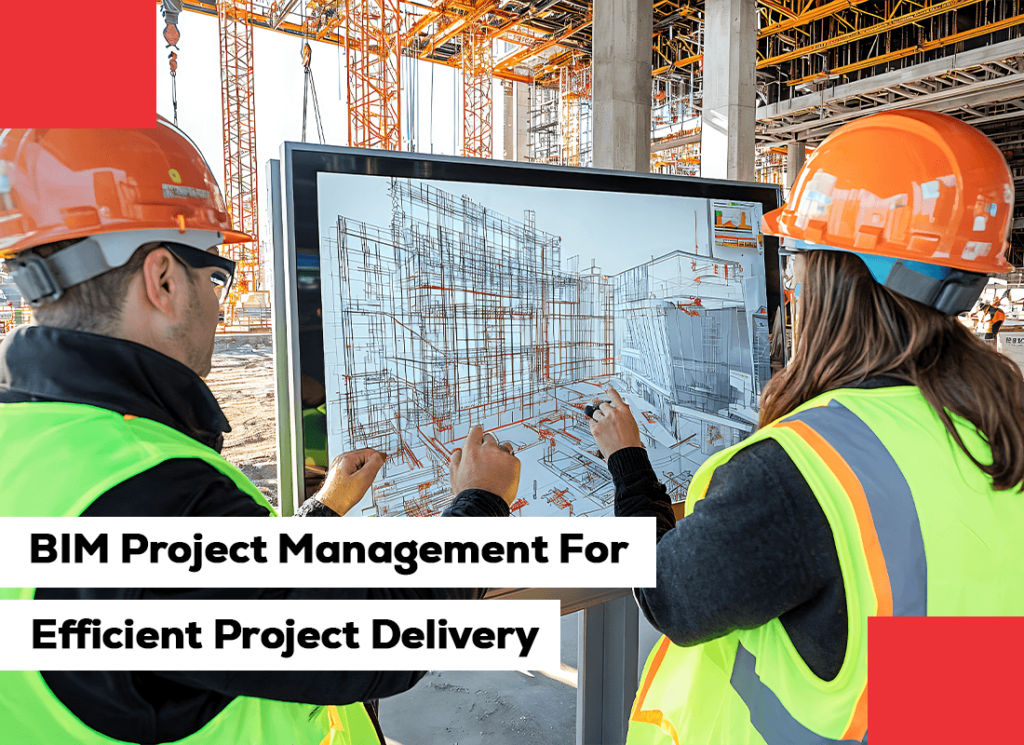
In today’s fast-paced construction and infrastructure landscape, delivering projects on time, within budget, and with minimal errors is no longer optional, it’s expected. For architecture, engineering, and construction (AEC) firms across Canada, the shift toward digital processes has made BIM Project Management a critical component of successful project execution. By combining intelligent modeling, real-time collaboration, and data-driven decision-making, BIM enables teams to streamline workflows and eliminate inefficiencies. However, true value lies not just in adopting BIM tools, but in managing them effectively across the entire project lifecycle. This is where a structured BIM project management approach becomes essential. Understanding BIM Project Management It refers to the strategic planning, execution, and monitoring of building information modeling processes throughout a project. It ensures that all stakeholders, from architects and engineers to contractors and clients, work in a coordinated and efficient manner. Unlike traditional project management methods, BIM integrates design, documentation, and construction into a unified digital environment. This allows teams to: Visualize projects in 3D with accurate data Detect clashes before construction begins Improve collaboration across disciplines Enhance cost and time efficiency For firms aiming to scale and compete, adopting BIM management practices is no longer a luxury, it’s a necessity. The Role of BIM In Efficient Project Delivery Efficiency in project delivery is defined by speed, accuracy, and coordination. BIM plays a vital role in achieving all three by centralizing project information and reducing manual dependencies. With BIM Project Management, teams can: Minimize design errors through early clash detection Improve scheduling with integrated project timelines Enhance cost estimation using real-time data Maintain consistency across documentation This integrated approach ensures a smoother workflow and reduces costly delays during construction. Key Components of Effective BIM Project Management To maximize results, BIM implementation must be supported by a structured management framework. The following components are essential: 1. Clear Project Planning Every successful BIM project starts with a well-defined execution plan. This includes: Setting project goals and deliverables Defining roles and responsibilities Establishing modeling standards A strong foundation ensures that all stakeholders are aligned from the beginning. 2. Standardized Processes Consistency is critical in BIM workflows. Standardization helps maintain quality and reduces confusion across teams. Key elements include: File naming conventions Model structuring guidelines Documentation protocols By integrating standardized workflows, firms can achieve better scalability and repeatability. 3. Advanced BIM Modelling Accurate and detailed models are at the core of BIM success. Leveraging professional BIM modelling services ensures that designs are precise, coordinated, and ready for execution. These services help: Create detailed 3D representations Improve design visualization Support better decision-making For complex projects, outsourcing BIM modelling services can significantly improve quality while saving time. 4. Seamless Coordination Coordination between multiple disciplines is one of the biggest challenges in construction projects. BIM simplifies this through integrated models and collaborative platforms. BIM simplifies this through integrated models and collaborative platforms. Identify and resolve clashes early. Improve communication between stakeholders Ensure alignment across all project phases This reduces rework and enhances overall efficiency. 5. Integration with Construction Processes BIM is not limited to design, it extends into construction planning and execution. By aligning BIM with on-site activities, firms can improve project outcomes. This includes: 4D scheduling for better timeline management 5D cost estimation for budget control Real-time progress tracking Such integration ensures that projects move forward smoothly without unexpected disruptions. Leveraging External Expertise For many firms, especially small and mid-sized ones, managing BIM in-house can be resource-intensive. Partnering with experts offering BIM services provides practical and scalable solutions. External providers bring: Specialized expertise Advanced tools and technologies Faster turnaround times By leveraging BIM services, firms can focus on core competencies while ensuring high-quality project delivery. The Importance of BIM Consulting Strategic guidance is crucial when implementing BIM across projects. This is where BIM consulting services play a key role. These services help firms: Develop BIM execution plans Select the right tools and workflows Train internal teams Optimize project performance Working with experienced providers of BIM consulting services ensures a smoother transition and long-term success. Benefits of BIM Project Management Adopting a structured BIM approach delivers measurable advantages across all stages of a project. Improved Efficiency With centralized data and automated workflows, teams can complete tasks faster and with greater accuracy. Reduced Costs Early detection of design issues minimizes costly rework and delays. Better Collaboration Shared models enable real-time communication between stakeholders. Enhanced Quality Accurate modeling and standardized processes lead to higher-quality outcomes. Faster Project Delivery Streamlined workflows ensure that projects are completed on time or ahead of schedule. These benefits highlight why it is becoming a standard practice in the AEC industry. Overcoming Common Challenges While BIM offers numerous advantages, implementation can come with challenges. Understanding and addressing these issues is key to success. Resistance to Change Teams may be hesitant to adopt new workflows. Proper training and clear communication can ease the transition. Skill Gaps BIM requires specialized expertise. Investing in training or outsourcing to a provider offering BIM services can bridge this gap. Significant Initial Investment Although initial costs include tools and training, these costs can be offset by later savings. Coordination Problems Poorly managed BIM workflows can be very complicated. Therefore, to ensure that the process runs smoothly, a structured process is necessary. Successful Implementation Best Practices A company ought to use established best practices to use BIM effectively: Launch pilot projects before expanding use. Train and build up your teams. Use cloud-based tools for file sharing. Keep clear lines of communication open. Track results and make ongoing improvements to the workflow. The best practices above form a strong foundation for long-term success. BIM’s Role In Future Project Management Due to its rapid advancement, Building Information Modeling is, more than ever before, an easily accessible tool for the management of construction projects. The use of innovative technologies, such as Artificial Intelligence, Digital Twin Technology, and Cloud-based collaboration solutions, is changing the way organizations perform project management. In the near future, BIM-based project management will play an even larger role in: Greater enhancement of sustainability
Modern As-Built Drawings In Canadian Construction
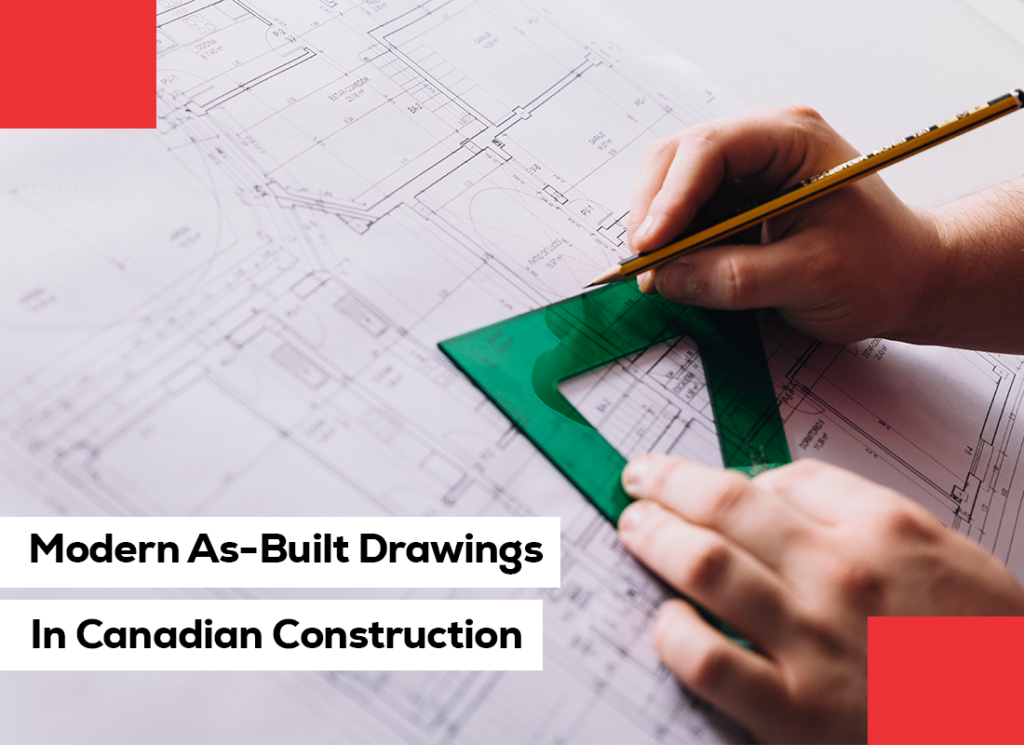
With rapid changes in the construction industry, accurate and efficient data collection is critical to your project’s long-term usability and accuracy. One of the key components ensuring accurate as-builts is the adoption of digital technology and contemporary work methods. The results from a project (including construction) in Canada continue to grow in complexity and ultimately make as-built drawings crucial for project success and lifespan management. At Geninfo Solutions, we see modern documentation as something more than simply recording what has been built; rather, it should also be considered an asset to operate, maintain, and grow an intelligent, future-ready asset. In Contemporary Building, Comprehending As-Built Plans As-Built plans show the actual condition of construction projects and any subsequent modifications. As opposed to the design plans, As-Built plans will reflect physical elements of a construction project in addition to any changes arising from onsite constraints or changes resulting from design constraints. Typically, As- Built plans will document the following items: Final dimensions and layouts Actual routing of systems such as electrical, plumbing, and HVAC Structural modifications and field adjustments As-Built plans provide an accurate and reliable account of what was constructed, which aids greatly in prior documented photographs, sketches, and notes as to how and why prior construction couples are affected. As such, As-Built plans are important references and aids in making future decisions. Evolution of As-Built Drawing Standardization in Canada In the past, traditional drawings were created by manually marking changes to a set of paper drawings during the construction process. This creation was often both time-consuming and error-prone, and resulted in a level of inconsistency. However, with modern construction methods in Canada, many of the practices now use digital workflows, which provide for increased accuracy and availability of as-built documentation. As-built drawing services now utilize advanced technologies such as CAD (Computer-Aided Design), BIM (Building Information Modeling), and 3D Scanning to provide highly accurate and standardized documentation. This change has transformed as-built documentation from a regulatory compliance requirement into a strategic asset that supports the entire lifecycle of a facility. The Role of As-Built Drawings for Projects in Canada 1. Document the Project Correctly Every construction project will have changes during the life cycle of the project based on site conditions, material availability, or design enhancements. It provides an accurate recording of all changes and indicates what the actual project will look like upon completion of the project. Accurate documentation is also very important for engineering firms, architectural firms, and facility managers who need accurate information to support their operational processes and future planning. 2. Regulatory compliance and Authorisation process Construction in Canada must meet certain rules and regulations (such as building codes) at each stage of construction. The use of as-built drawings helps demonstrate compliance to regulators through documentation that validates that the building was built according to all requirements. Therefore, it is an important document to have during project turnover, for inspections or audits to provide accountability and transparency throughout the entire construction period. 3. Effective Management of Facilities Once the construction process is completed, buildings will remain in use for more extended periods than any other phase, operation, or maintenance. The information contained within an as-built drawing provides managers of facilities with sufficient detail to maintain their systems, troubleshoot problems, and plan for improvements effectively. Repairs can often be complicated and expensive when done without accurate drawings because of the uncertainty of accurate records. 4. Renovations and Expansions Support Renovations, retrofits, and expansions are common in the lifecycle of a building because of its continued evolution. Accurate existing condition information is a prerequisite for any type of improvement made to a building through traditional architectural services provided through built drawing services. Precise existing-condition data minimises project errors, mitigates design clashes, and enables the successful integration of new design work into existing structures. As Technology Has Advanced, the Quality of As Built Drawings and Their Usefulness Digital tools have greatly improved the quality and usefulness. Technology, such as BIM and laser scanning, creates highly accurate and data-rich models that provide more information than previous two-dimensional documentation. Bim Integration Through the use of bi project management, as-built data is now part of smart 3d models that help project managers visualize all building components and systems in real time. With this type of integration, stakeholders can: Visualize the building in full detail Have access to reliable data for referencing in decisions Facilitate better team communication across teams Modern as-built document plans are becoming more consistent with BIM processes and thus allow for easy collaboration and sharing of data among all parties during each phase of construction. Digital Confirmation and Three-Dimensional Scanning Technology The use of 3D laser scan allows for the generation of “as built” documentation, accurately capturing all of the existing conditions in three dimensions, leaving no need for estimating and ensuring that final documentation is a true representation of what exists on-site. These types of technologies are very important for various projects that need highly accurate records; for example, infrastructure, large commercial and industrial buildings, among others. Advantages of doing As-Built Drawings Services in Canada 1. Increased accuracy and reliability When you use professional as-built drawing services in Canada, you will receive confirmation that your project data has been verified and validated, thereby decreasing the chance of error and inconsistency and helping to keep your structure’s integrity intact throughout the entire life of the building. 2. Better project coordination Through adapting BIM project management, teams will be able to use one common source of truth for reference, improving the coordination between team members and reducing communication gaps. This collaborative effort assures that everyone involved is on the same page and working from consistent information. 3. Cost & Time Effectiveness More precise as-built drawings services by geninfo solutions minimize wasted time and money due to less rework, less possibility of error, and make it easier to complete maintenance or improvements on the structure. Additionally, they give teams access to accurate information promptly to enable informed decisions without delay. 4.
BIM Modelling Services And Vertical Integration Benefits

The construction sector is experiencing a dramatic redesign through the advancement of new technologies, such as digital innovation and enhanced efficiencies within the industry. One of the most important developments has been utilizing BIM modelling services. BIM has transformed how projects are created, developed, and delivered in the modern-day construction industry. BIM has developed into a core component of today’s construction methodologies by allowing project teams to work together in a data-driven, collaborative, and visually engaging environment. Geninfo Solutions has seen firsthand the way that digital modelling and combined workflow are changing the way projects are completed; this has enabled all project members to deliver projects with improved accuracy, coordination, and value over the life of the projects. A Guide to Building Information Modelling BIM, or building information management, is more than just a 3D modelling tool, it is a comprehensive process that digitally represents the physical and functional aspects of a building. It allows stakeholders to visualize, simulate, and analyze every component of a project before construction begins. Unlike traditional methods, BIM creates a centralized data environment where architects, engineers, and contractors can collaborate seamlessly. This approach significantly reduces errors, improves planning, and enhances overall project outcomes. The growing adoption of BIM services reflects the industry’s shift toward smarter and more efficient construction methodologies. Definition of BIM Modelling Services It comprises an intelligent 3D model representing each component of a project with enough detail to contain data regarding that particular component’s material, size, costs, and scheduling. With BIM Modelling Services, the various project participants can: Identify design clashes before beginning construction Improve the ability to visualize the model to make better decisions Maximize the efficient use of resources Improve the sequencing of construction operations Due to these qualities, it provides added-value to all sizes of construction projects. By utilizing these services, construction teams are able to achieve greater accuracy and a reduced amount of rework, ultimately resulting in lower total project duration and cost. Defining Vertical Integration through BIM Vertical integration within the construction industry means integrating the entire workflow between design, planning, construction, and maintenance of a project. Integration provides seamless communication and flow of information through each step of the project lifecycle when utilizing BIM modeling services. By having all parties involved utilize real-time, consistent data, the potential for miscommunication is mitigated, resulting in improved project coordination. In addition, vertical integration provides a greater degree of control over the budget and schedule of a particular project. The Advantages of DIY Vertical Integration with BIM 1. Improved Coordination and Better Communication The most important benefit of vertically integrating BIM is having better coordination and communication between the various stakeholders involved in a project. With BIM collaboration, the different teams can provide updates, resolve conflicts, and align their goals with one another in real-time. Having this level of coordination helps reduce misunderstandings and keeps everyone moving towards the same goals, which allows for a reduction in the amount of time that a project takes to complete with less disruption. 2. Increased Efficiency One of the most important criteria for any construction project is achieving maximum efficiency. BIM modelling services provide an avenue for achieving maximum efficiency by providing a means of integrating all aspects of a construction project. Integrating the various stages of a construction project allows teams to streamline the process by eliminating redundant activities. In addition, BIM project management provides teams with a structured approach in scheduling, allocating resources, and tracking progress. Following a structured approach provides an opportunity for projects to stay on track through completion and within budgets. BIM project-based workflows have been shown to enhance productivity through increased planning and coordination within teams. 3. The Importance of Accurate Cost Estimation and Control Cost overruns are often experienced during the construction process; however, by utilizing BIM services, stakeholders will have access to the exact cost for any phase of the construction. BIM services allow for the inclusion of cost estimation within the BIM Model, providing the construction team with the opportunity for: The ability to recognize possible financial risk earlier in the construction process. The ability to optimize material use. The ability to minimize waste. This level of transparency provides greater financial planning ability, helping to ensure that the project remains financially feasible. 4. Risk Mitigation And Clash Detection BIM modelling services‘ most significant advantage is the use of clash detection. Teams can identify issues among various building systems (i.e., plumbing, electrical, and structural) before the construction process starts. With a proactive approach through clash detection, projects can experience fewer delays, less rework, and higher-quality construction. Furthermore, construction operations become more predictable and smoother with a clash detection process. 5. Comprehensive Lifecycle Management Solutions Vertical integration not only applies to physical construction but also extends into facility management and maintenance. By using BIM modeling services, all of the project’s data is consolidated into one central model, which can be accessed from the building’s beginning until it is completed. This allows for: Improved maintenance planning Accurate asset tracking Better performance of the building. Being able to manage a building digitally from its conception through operation illustrates the true cost-savings and efficiencies associated with the use of BIM in the modern construction marketplace. BIM Project Management Functions Successful implementation of Building Information Modelling (BIM) is predicated upon having some level of structure in which to operate; therefore, it is a necessary component. It helps ensure that all processes, tools, and stakeholders are aligned towards achieving the common objectives of the project. By using this, teams can: Establish Clear Workflows Track Progress in Real Time Provide Better Decision-making By providing a structured framework for managing projects, this method of operation improves efficiency and helps to deliver construction projects on time and within scope. Management and modelling merged to create a complete system that will assist in all aspects of the construction process. Why BIM Services Are Essential Today The ever-growing complexity involved with constructing various types of buildings and infrastructure has created the need for BIM services.
Traditional vs BIM Coordination: Choosing The Best Method
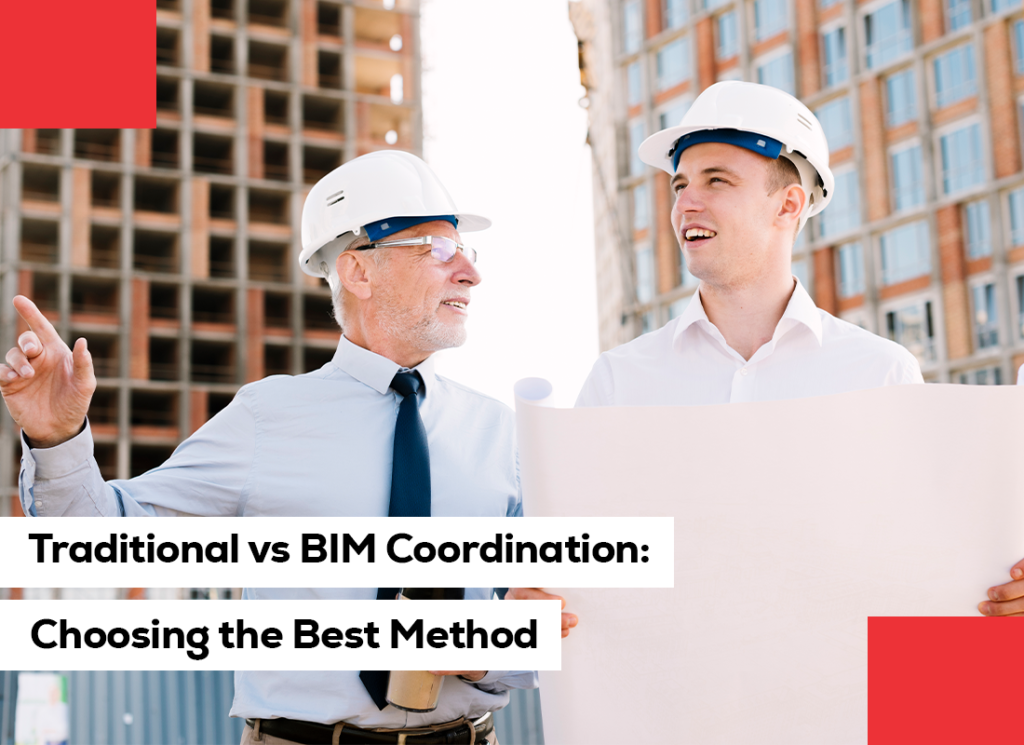
Construction coordination has always been one of the most important and difficult tasks in project delivery. With the increasing complexity of buildings and the ever-shortening project schedules, construction coordination has a direct effect on project costs and efficiency. At Geninfo Solutions , we assist project teams in shifting from traditional coordination processes to fully integrated digital processes. It is important to understand the difference between traditional coordination processes and BIM Coordination Services. Both processes have their own applications, but only one of them is capable of handling the challenges of modern construction. What Traditional Coordination Looks Like, In A Free-Flowing Style Traditional coordination hangs its hat on 2D drawings, manual overlays, and documents that stay within each specialty. Architects and structural engineers often charge ahead independently of the MEP teams, sending over updates in the form of emails, meetings, or marked-up pages. Issues tend to arise only later, well into construction, when the systems conflict or space isn’t available. Fixing these on-site can cause delays and rework, sometimes with surprise costs. While the latter has worked for decades, in today’s fast-paced, multidisciplinary world, precision and predictability truly count. Limitations Of Traditional Coordination Traditional workflows stumble most in real-time integration. When one team makes a change, it doesn’t instantly show up for the others, raising the chances of inconsistencies slipping in. Then, there is reliance upon coordination drawings that are usually manually compiled from pieces contributed by several different teams. These tend to go stale quickly, especially during designs that have a lot of changes. As projects grow more complex, the shift is away from proactive coordination to simple reactive coordination, catching problems only after they surface. Introducing BIM-Based Coord BIM-based coordination revolutionizes the process of collaboration by integrating all disciplines into a virtual space. Rather than relying on 2D drawings, all members participate through coordinated 3D models that mimic the true position of the projects. With BIM Coordination Services, designers and constructors may identify conflicts, validate spatial requirements, and work out conflicts prior to the commencement of site work, which in turn reduces risks and increases the standard of the final project. At Geninfo Solutions, BIM coordination is considered a strategic process, not just a technical task. How BIM Coordination Can Improve Teamwork In BIM projects, a team works on a specific project, where each team member is a contributor to a single federated model. The architectural design, structural design, systems design, etc., are always in sync. Here, there is no scattered communication or confusion whatsoever. If the design is to be altered, changes will always be visible in all places, making the team able to understand the effects of the changes. BIM Coordination Services facilitate teams to efficiently collaborate, accelerate approvals, and avoid misunderstandings and miscommunications. BIM coordination makes everyone more accountable, feeling a sense of ownership compared to the conventional approach. Traditional vs. BIM: A Look At The Outcomes The results achieved, if BIM-enabled coordination is compared to traditional coordination, will reveal differences. Traditional coordination typically leads to: Clash detection occurring later in the process More RFIs and on-site questions Rework due to a mismatch Disruptions to the project schedule BIM-based coordinated, facilitated by BIM Coordination Services, offers some significant advantages: Early Detection of Clashes Clear systems of routing Appropriate spatial planning Fewer Construction Conflicts More dependable scheduling These changes have a direct impact on cost control, quality, and satisfaction for all stakeholders. The Role Of Coordination Drawings In Both Methods Coordination drawings may stay on the radar when we think about shifting to digital workflows; however, their job morphs along the way. In classic builds, these tend to be static artifacts slapped together after several rounds of edits. However, for BIM-driven projects, the drawings are coming straight from coordinated models, keeping them precise and aligned. As the models are continuously updated, the drawings remain reliable references throughout the entire project, from start to finish, with increased clarity and no additional manual labor required. Why BIM Really Helps for MEP Coordination MEP systems are at the heart of a building’s complexity, and this encompasses small space, many paths between service elements, and exacting performance criteria.” By using BIM technology, MEP coordination services can be achieved, thus allowing designers to properly layout ducts, piping, cable trays, and so on, within the actual 3D space, spotting possible clashes and assuring fit between components and required clearances. Interferences between ducts, piping, cables, and structures can be resolved upfront, thereby avoiding costly field changes that could have been avoided if conventional methods were employed, where such interferences are often overlooked. Bringing BIM Project Management Into The Fold Of Coordination. Good coordination isn’t just about models; it’s about clarity and organized oversight. BIM project management is at the core, taking coordination efforts and tethering them to the project’s goals, timelines, and who’s responsible for what. We integrate coordination workflows at Geninfo Solutions into broader BIM project management practices. That is to say, milestones, review cycles, and approval for coordination are defined and tracked in no way left to chance. Mixed-mode allows projects to have more predictability and tighter control by mixing coordination with disciplined management. Scalability And Long-Term Value Of BIM Coordination Scalability is an area where BIM-based processes really stand out. While the projects themselves are becoming bigger or more complicated, the coordination effort can similarly scale up, without any loss of efficiency. This is where BIM Coordination Services can support phased constructions, building projects with several buildings, or fast-track projects. Such a balance is difficult to achieve through conventional processes for coordination. The advantages of BIM-based processes don’t stop at the construction phase itself. Well-coordinated models can greatly benefit the facilities, maintenance, or upgrade phases. Reducing Risks And Raising Quality Quality cannot be separated from the level of precision in coordinating the systems. Accordingly, if everything seems to fit the right pieces as they should and issues are ironed out from the onset, the quality automatically improves significantly. Combining MEP coordination services and model-based reviews enables teams to reduce installation
Why As-Built Drawings Play A Key Role In Project Quality

Quality in construction, therefore, is not only about what is constructed, but also about the quality of the documentation crafted and accompanying what is constructed. In the complex world of construction today, adequate documentation can spell the difference between safety, efficiency, and success. That’s why as-built drawings are a valuable resource, not an optional one. At Geninfo Solutions, we understand construction of quality to be a state where the construction endures beyond handover. With clear and accurate records of what was actually constructed, we ensure the ideals of transparency, accountability, and reliability are sustained throughout the building life cycle as a whole. Understanding The Purpose Of As-Built Documentation Quality in construction, therefore, is not only about what is constructed, but also about the quality of the documentation crafted and accompanying what is constructed. In the complex world of construction today, adequate documentation can spell the difference between safety, efficiency, and success. That’s why as-built drawings are a valuable resource, not an optional one. At Geninfo Solutions, we understand construction of quality to be a state where the construction endures beyond handover. With clear and accurate records of what was actually constructed, we ensure the ideals of transparency, accountability, and reliability are sustained throughout the building life cycle as a whole. How As-Built Drawings Elevate Project Quality Quality isn’t just about how things look or how solid they stand; it’s also about clarity, compliance, and durability. The as-built drawings support these objectives by providing accurate, verified records of what was actually built. They provide support for: Compliance with the demands of regulations and contracts A true, current representation of installed systems Less confusion during inspections and audits Greater trust among all shareholders Decisions that come faster and with more confidence, thanks to reliable project information, boost the overall quality assurance. Supporting Construction Accuracy And Accountability As-built drawings are important in establishing accountability, particularly by proving that the work was performed in accordance with design changes and actual conditions. This avoids disputes in the process. In the case of contractors and consultants, precise documentation is a matter of professional integrity, while for the owners, this same precision provides the comfort level needed to ensure that the final product meets their expectations. Geninfo Solutions offers as-built drawings services with precision, consistency, and verifications as key focus areas. Improving Facility Management And Daily Operations Quality does not stop when the building is complete. The life of a building continues after the construction period through the operational phase and sometimes through upgrading and modification. Drawings are critical in the successful operation of a facility. Accurate records enable facility teams to: Find systems quickly Schedule maintenance without interrupting ongoing use Prevent Accidental Damage During Upgrade Minimize downtime, reduce risk in operation Good documentation enhances performance and the lifespan of assets, effectively making documentation an “investment in assets” rather than “something tucked away.” Mitigating Risk During Renovations And Expansions Renovation projects carry a high degree of risk when there is an unknown situation. Using drawings that are out of date or incomplete can result in costly problems. As-built drawings provide a foundation that owners, designers, and contractors can use in planning upgrades that are needed in the future. They know that dimensions, locations, and other factors are accurate. This reduces rework, minimizes safety hazards, and protects existing investments. Our as-built drawings services guarantee that the next stage in a building or renovation project begins with knowledge, rather than guesses. Ensuring Compliance And Regulatory Confidence Regulators and clients often ask for paperwork that has been substantiated and confirmed at project close-out time. And as-built drawings give us credibility that we actually followed through on approved designs and construction standards, further substantiating our compliance posture. When paperwork is detailed, checks and approvals proceed without any issues. They may be used to support any litigation that could arise, showing exactly what has been completed and what has not, etc. Documentation takes the same level of seriousness as actual construction at Geninfo Solutions for us to offer compliance. The Value Of Professional As-Built Services Getting the documentation right is not just about putting rough marks or doing quick edits; it requires thorough quality checks, good coordination, and solid workflows. That’s where as-built drawing services come into their own. At Geninfo Solutions, we approach it with a clear process. Check against actual site conditions for alignment Provide coordination between all disciplines Keep consistency in standards and formatting. Provide thorough quality control reviews Following this structured method, we make sure the drawings will not only be correct but will also be practical for different future needs. Supporting Global Projects With Regional Know How Different geographies vary when it comes to rules, codes, and the way projects are constructed. For global clients, local knowledge is key. Geninfo Solutions offers As-Built Drawing Services in Canada, which comply with regional standards, codes, and project expectations. With our combination of global service deliverability and local compliance acumen, we help our clients maintain consistency of quality across their worldwide projects and initiatives. Our experience and background with Canadian as-built drawings assist in eliminating all hassles for our clients. Better teamwork Across Project Teams Good documentation makes things easier. If everyone in a system is referring to good, accurate documentation, things go more smoothly. Coordination happens more easily, and miscommunication goes down. As-built drawings are a unifying force that ties together architects, engineers, and owners. This openness fosters trust and allows projects to transition into operations and beyond with greater ease. Why Geninfo Solutions Is A Trusted Documentation Partner Geninfo Solutions stands as a reliable partner for documentation, recognizing that well-crafted records mirror the professionalism of the whole project team. Our approach to as-built drawings is built around precision, accountability, and enduring value. We emphasize: Documenting in as much detail as possible Seamless coordination across all systems Scalable methods suited for complex projects Deliverables that match real operational needs We think of documentation as a strategic asset in the work we do to help
What As-Built Drawings Really Mean for Every Project
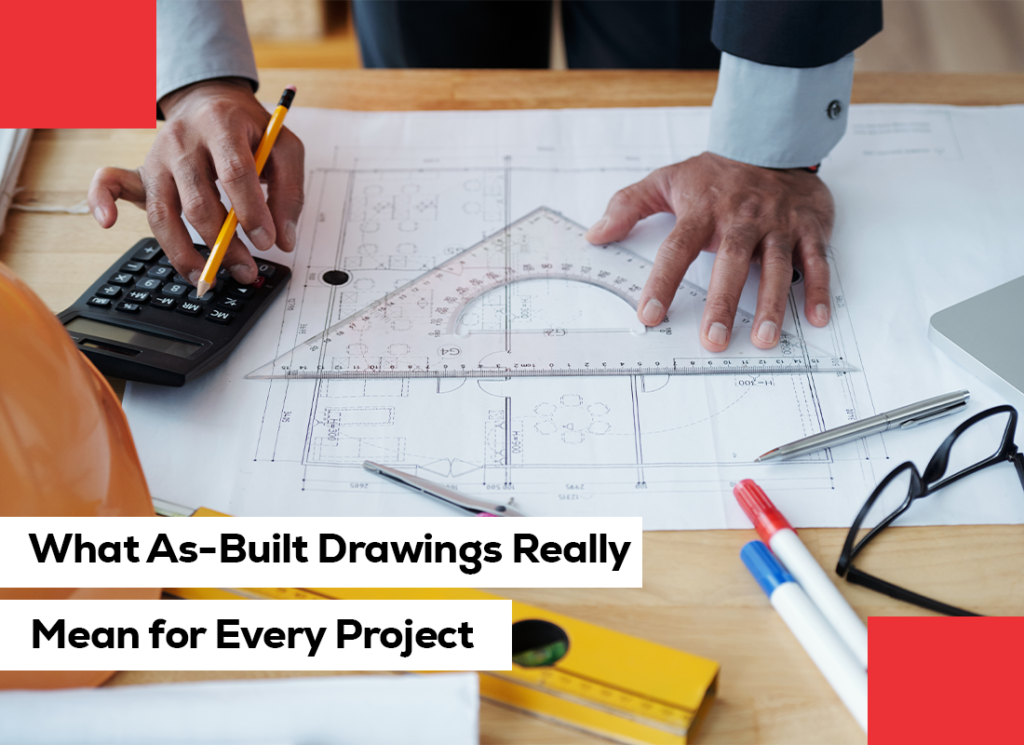
Every construction project has two parallel stories. The first is the story of design intent-what was planned, approved, and documented before the construction process. The second is reality-what actually got built on site, influenced by field conditions, material availability, challenges in coordination, and real-world decisions. As-built drawings become crucial when bridging the gap between these two stories. Many people misunderstand as-built documentation as merely revised design drawings. However, it actually plays an even more critical role in the life of a building. It becomes the most accurate visual record that exists of a completed structure and is thus the foundation on which operations, maintenance, renovations, and further expansion will be performed. Understanding the True Purpose of As-Built Documentation In theory, construction follows the drawings precisely. In practice, changes are inevitable. Almost every project is subject to structural adjustments, rerouted services, modified dimensions, and on-site improvisation. As-built drawings capture these deviations and present the final, verified version of what the building is, not what it was envisioned to be. They reflect: Actual dimensions and layouts Final Routing of the MEP Systems Structural changes that occur during execution Location of hidden features This documentation ensures that everyone, from facility managers to future contractors-work with the correct information. Why As-Built Drawings are No Longer Optional Modern projects are much more complex than ever. Buildings now integrate advanced mechanical systems, smart technologies, and sustainability-driven designs. Planning based on outdated or theoretical drawings often results in high-priced mistakes. Here’s why as-built drawings are indispensable for projects of any kind: Operational Efficiency: Facility teams rely on accurate drawings to perform maintenance and troubleshooting. Risk Reduction: Accurate records minimize errors during renovations or retrofits Regulatory compliance: Many authorities require validated documentation for approvals and audits Asset longevity: Well-documented records increase the lifespan of building systems. In short, as-built documentation protects the investment made in constructing the facility. The Shift from Paper Records to Digital Accuracy Until recently, traditional as-built documentation relied on manually updating redlined paper drawings at the end of a project. This process was laborious, error-prone, and incomplete. Nowadays, professional As-built drawings services employ digital workflows, CAD platforms, and verification methods based on BIM. The modern technique allows them to: Validate the drawings against site conditions Include field updates with accuracy. Provide structured, standardized digital files This evolution has elevated as-built documentation from a compliance task to a strategic project deliverable. What is Involved in Good As-Built Drawings? Not all as-built drawings are created equal. Excellent as-built documentation requires a good bit of know-how, coordination, and an expert eye. Key constituents are: Accurate floor plans, sections, and elevations Verified dimensions and tolerances MEP layouts incorporating final installations Clear notes for changes & deviations Professional as-built services include making sure that all drawings represent actual site realities as opposed to assumptions or incomplete updates. The Importance of As-Built Drawings in Facility Management As-built drawings. Then, once the construction work is over, it is followed by the longest stage, which is the operation phase. This is where the importance of producing quality as-built drawings is realized. The facility managers use the plans for the following purposes: Finding buried utilities and services Draw up preventive maintenance schedules Space to be utilized effectively Backing disaster preparedness plans Otherwise, even the maintenance processes that need to happen as an integral part of the working week can turn out to Financing Renovations, Retrofits, and Expansions Buildings seldom stand still. Over a period of years, an organization changes a building into a different space through equipment additions, layout changes, or upgrades. Updated as-built drawings services are the basis for these improvements. Designers and engineers can rapidly evaluate existing conditions, thereby preventing potential clashes or errors during the renovation design process. This is particularly important for existing plants where original design plans do not accurately represent reality. Why Expertise is Essential in As-Built Drawing Services This is where creating trustworthy as-built documentation becomes much more complex than simple drafting work. This is where knowledge of construction processes and industry standards needs to be understood. This is where skilled as-built drawing services make the complexity much simpler by: Links between drawings and actual construction records Verifying data by visiting and conducting site inspections Adherence to local by-laws and client demands This expertise allows drawings to not only be accurate but also to have a lifespan of several years to come. The Rising Need for As-Built Drawing Services in Canada Canada’s infrastructure, commercial, and industrial projects are witnessing steady growth. With this growth comes the ever-increasing requirement for accurate documentation. For organizations in Canada requiring trustworthy as-built drawings, they look for the following services among the providers of as-built drawings: Complying with local building bylaws Standardized CAD or BIM deliverables Documentation for asset management with longer-term perspectives Working together with experienced providers enables consistent delivery across projects and geographies. The Future of As-Built Documentation with Digital Integration The key to the future lies in digital convergence. With the growing usage of BIM, as-built information is becoming more incorporated into intelligent models that are conducive to the development of digital twins and smart building management. Contemporary as-built drawing services are largely congruent with the BIM process, allowing owners to: Access asset information in real-time Integrate the Drawings with the Facilities Management Software Inform operational decisions with data This makes as-built documentation a dynamic resource instead of a historical one. Why Accuracy at Project Closeout is Important Project closeout is frequently condensed, but it is one of the most critical stages of construction. Inadequate and/or misleading documentation can cause endless problems. As-built documentation verified at close-out finish ensures: Smooth handover to owners and operators Fewer disputes regarding the scope and implementation Accountability for work accomplished. It is the last hurdle that determines the sustainability of a project. Choosing the Right As-Built Drawing Partner: Selecting an as-built drawing service in Canada isn’t solely an issue of technical expertise. This involves finding a supplier who knows the reality of the construction world, the standards of the digital age,